Going All In on Astro — Speed, SEO, and Better Results
From sluggish load times and plugin overload to blazing-fast performance and first-page indexing — here's the honest story of why SiteGriffin made the switch to Astro.
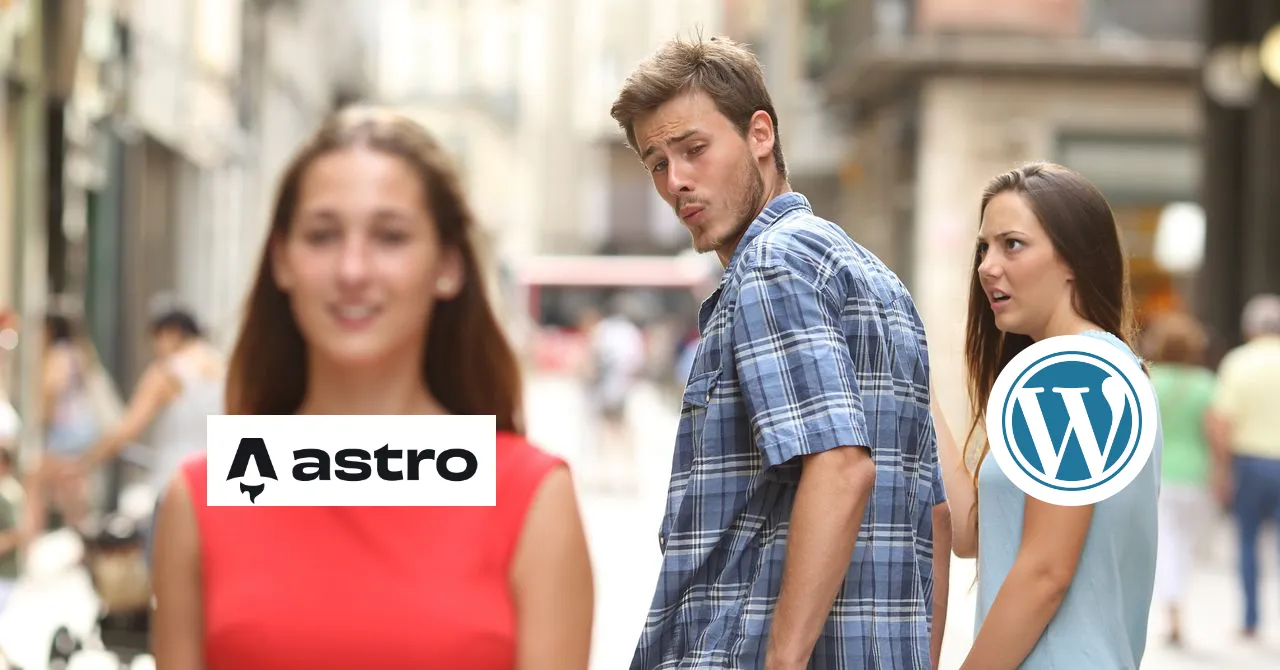
TL;DR: We used to build all our websites on WordPress. It did the job, but sites were slow to load, slow to show up on Google, and needed constant upkeep. We’d been working with Astro for a while and knew what it was capable of — so we decided to go all in. The difference has been night and day — faster sites, better Google rankings, and one client even got their first enquiry through their brand new site within three days of it going live. This post explains why we made the move and what it means for the businesses we work with.
For years, WordPress was just the answer. Someone needed a business site? WordPress. A portfolio? WordPress. A simple landing page for their new venture? WordPress. It’s what we knew, it got the job done, and nobody asked too many questions about it — until we started asking the questions ourselves.
This post is our honest account of why we made the switch to Astro, what we gained, and why three days after launching a client’s new site, that client sent us a message we’ll never forget.

The WordPress Problem Nobody Likes to Talk About
We’re not here to bash WordPress. It’s been around forever, it powers a huge chunk of the internet, and there’s a reason so many people use it. But after years of building sites on it, we kept running into the same frustrations.
WordPress sites are slow by nature. Every time someone visits a page, the site has to go off, grab everything it needs, piece it all together, and then show it to the visitor. That might sound fast in theory, but in practice it adds up — and visitors notice. Most people will leave a site if it takes more than a couple of seconds to load, and we were seeing that happen.
On top of that, keeping a WordPress site running properly takes real ongoing effort. Updates, security issues, and little things breaking without warning were eating into time that should have been spent on more useful things. And all of that sluggishness was quietly hurting how well our clients’ sites showed up on Google.
Something had to change.
Enter Astro
Astro wasn’t new to us — we’d been working with it for a while and liked what it could do. But after seeing the results it consistently delivered, we decided to stop using it on the odd project here and there and just go all in. The first big move was rebuilding our own site at SiteGriffin.com with it, and we haven’t looked back since.
Sites That Actually Load Quickly
The difference was obvious straight away. Astro builds websites differently — instead of putting everything together on the fly each time someone visits, it does all that work in advance. So when a visitor lands on the page, it’s already ready. No waiting around.
The result is sites that load almost instantly, even on a phone with a patchy signal. That matters more than people realise — a fast site feels more trustworthy, keeps people from clicking away, and makes it far more likely someone picks up the phone or fills in a contact form.
Showing Up on Google, Faster
This was the part that genuinely surprised us. We knew the new sites would be faster, but we didn’t expect quite how quickly Google would start picking them up.
Google sends little automated bots around the internet to find and list websites — think of it like Google sending someone to read your site and add it to their index. With our old WordPress sites, that process could take weeks. With Astro, we started seeing new pages appear in Google within days of launch.
For a business that’s just had a new site built, that’s huge. The sooner Google finds you, the sooner real customers can too.

For the Technically Curious: What the Numbers Look Like
If you’re a developer or you just like to see the data, here’s what the switch actually looked like in practice.
Google measures website performance through a set of metrics called Core Web Vitals — essentially a report card for how fast and stable a site feels to real users. The three main ones are:
- LCP (Largest Contentful Paint) — how quickly the main content of a page loads. Google wants this under 2.5 seconds.
- CLS (Cumulative Layout Shift) — how much the page jumps around while loading. Lower is better; anything under 0.1 is considered good.
- INP (Interaction to Next Paint) — how quickly the page responds when a user clicks or taps something. Under 200ms is the target.
WordPress sites, even well-optimised ones, tend to struggle here. Pages are built dynamically on the server on each visit, which introduces latency before the browser even starts rendering. Throw in a typical stack of plugins and a shared hosting environment, and scores in the 60s and 70s on Google’s Lighthouse tool are common.
With Astro, pages are pre-built as plain HTML before anyone visits them. There’s nothing to assemble on the fly. The browser gets exactly what it needs immediately, which is why we consistently see Lighthouse performance scores of 95–100 on Astro-built sites — including our own.
That jump from the 60s to the high 90s isn’t just a vanity metric. It directly affects where you rank on Google, how fast your pages are crawled and indexed, and whether visitors stick around long enough to become customers.
The Proof: Three Days After Go-Live
We launched a new client site built on Astro. Three days later — not three weeks, not three months — our client sent us this:
“First job request off new site.”
Three days. A brand new site, no history with Google, no paid ads running. Just a fast, well-built site that Google found quickly and that visitors actually stuck around on.
That message stuck with us. It’s a good reminder that the decisions we make behind the scenes have a real impact on whether a website actually works for the business it belongs to.
What This Actually Means for Your Business 🎯
Here’s the bit that matters most if you’re a business owner rather than a developer.
Because we’re not spending half our time wrestling with plugin conflicts, security patches, and performance workarounds, we can focus on what actually moves the needle for you — building something that looks great, loads fast, and brings in more customers.
A faster site means more people stick around. More people sticking around means more enquiries. More enquiries means more work. It really is that straightforward.
And because Google rewards fast, well-built sites with better rankings, you’re more likely to show up in front of people who are already searching for exactly what you offer — without spending a penny on ads. That’s the kind of return on investment that compounds over time.
We’re not just building websites. We’re building something that works hard for your business in the background, every single day, whether you’re thinking about it or not. 🚀
What Changed for Us (And Our Clients)
The honest answer is that switching wasn’t completely effortless — there’s always a learning curve with anything new. But the benefits far outweighed the growing pains.
Clients get websites that load faster, show up on Google sooner, and don’t need as much ongoing maintenance to keep running properly. We get to spend less time firefighting and more time actually building good things. It’s been a better experience all round.
The main thing clients sometimes notice is that the editing experience is a little different from WordPress. But honestly? In our experience, most clients rarely log in to update their own site anyway — they just drop us a message when something needs changing, and we sort it. So for the vast majority of people, it makes no real difference.
Is Astro Right for Every Project?
For most business websites, yes. If you need a site that looks great, loads fast, and shows up well on Google — Astro is brilliant for that.
Where it’s less straightforward is if you need something really complex under the hood, like a site where customers can create accounts, manage orders in real time, or interact with each other. Those kinds of projects need more thought. But for the vast majority of what we build — business sites, service pages, portfolios — Astro is now our go-to, and we’re not planning to change that.
WordPress had a good run with us. But this is better.
Thinking About a New Site?
If you’re running an old WordPress site and wondering whether there’s a better option, or you’re looking to get a new site built that actually performs — we’d love to have a chat.
Get in touch with SiteGriffin →
SiteGriffin Web Solutions builds fast, modern websites for businesses across the UK. Get in touch if you’d like to work with us.
Ready to grow?
Turn ideas into results.
SiteGriffin builds websites and digital marketing strategies that actually perform. Let's talk about your project.
Get a free quote